
The Last Invasion of Britain 1797
Or how 600 irregulars outwitted and defeated 1,400 French soldiers of the Legion Noir.
And how local heroine Jemima rounded up 12 Frenchmen with a pitchfork!
The Last Invasion of Britain 1797
It was a cold February in 1797 when the people of Pembrokeshire awoke to a sight few in Britain had ever imagined – a French invasion fleet sailing into the bay. For centuries, Britain had been wary of foreign incursions, but now, on its own soil, a small but determined force of French soldiers, sailors, and convicts had arrived, aiming to spark rebellion and strike fear into the heart of the nation.
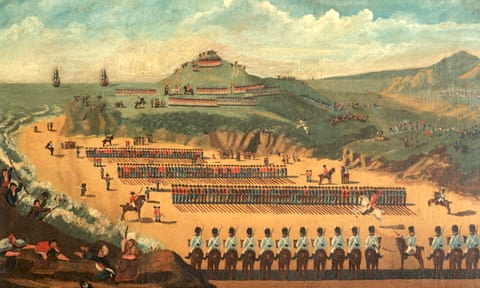
The French landed near Carreg Wastad Point, not far from the sleepy villages of Fishguard and Goodwick. Their commander, Colonel William Tate, had expected a swift march inland, thinking the locals would scatter in fear. Instead, they were met with a resistance that was as unconventional as it was effective.
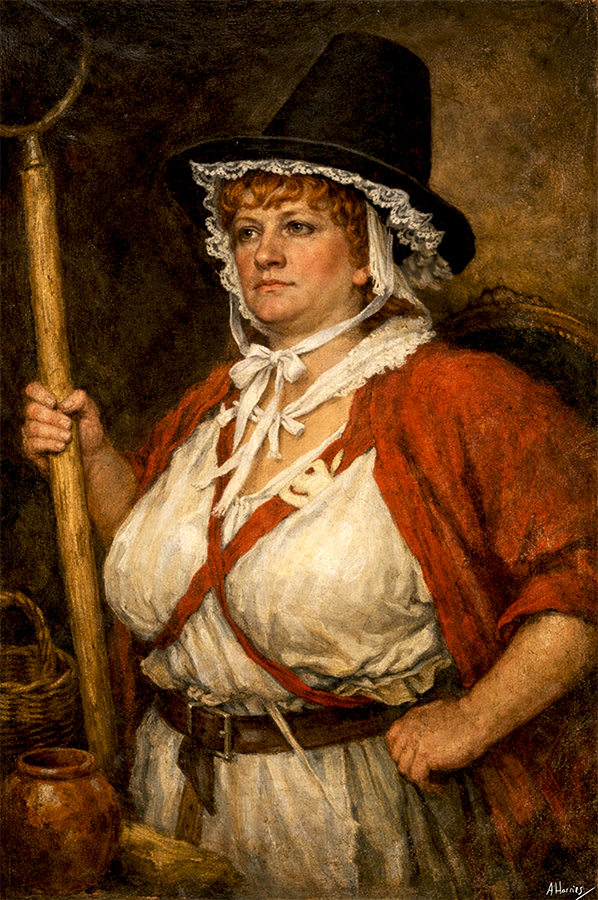
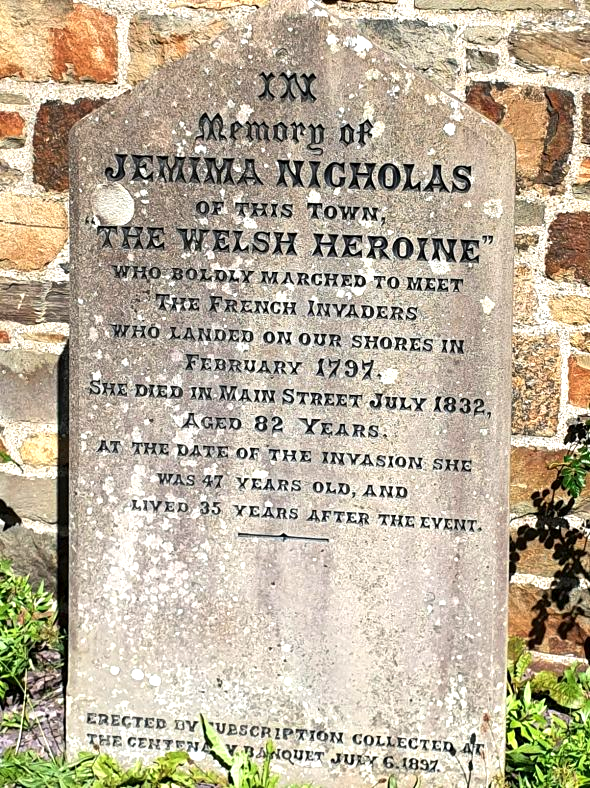
From the hills overlooking the village, Y Bigney Hill, groups of villagers appeared, waving banners, shouting, and banging sticks. To the French soldiers below, it seemed as though the British had brought out an army far larger than reality. Among the defenders stood Jemima Nicholas, a courageous woman armed only with a pitchfork. She charged into the fray, capturing French soldiers and guiding them into custody. Stories say that she alone rounded up dozens of the invaders, a testament to her bravery and determination.
Meanwhile, the local militia and regular British troops organized to prevent the French from advancing further inland. The French soldiers, already poorly supplied and unfamiliar with the rugged terrain, grew demoralized. What had promised to be an easy victory quickly turned into confusion and fear.
Within two days, the French commander realized the hopelessness of the situation. Outnumbered, outwitted by villagers, and cornered on the sands near Goodwick, Tate surrendered. Over 1,000 French soldiers laid down their arms, their ambitions of conquest washed away by the courage of ordinary people and the clever tactics of local women.
The surrender was formalized at the Royal Oak Inn, a modest establishment that became the site of a historic treaty. The prisoners were eventually returned to France, and the people of Fishguard returned to their daily lives – but with a story that would be told for generations.
This unlikely event became known as the Last Invasion of Mainland Britain, remembered not for grand battles or heroic generals, but for the courage of villagers, especially Jemima Nicholas, and the resourcefulness of Welsh women who turned hills and household items into weapons of psychological warfare. From Y Bigney Hill, their presence alone convinced an army to surrender.
Fishguard’s tale reminds us that history is not only made by kings and armies – it can be shaped by ordinary people rising to meet extraordinary circumstances. On a cold February day in 1797, the hills of Pembrokeshire were filled with courage, ingenuity, and the sound of a nation refusing to yield.
The Last Invasion Tapestry
Remember to visit the Last Invasion Tapestry at the Town Hall library